
어퍼 앤텔로프 캐니언(Upper Antelope Canyon)은 종종 여행객들이 페이지를 처음 방문하게 되는 목적지입니다., 애리조나. 좁은 사암 통로와 변화하는 색상으로 인해 이곳은 남서부에서 가장 잘 알려진 장소 중 하나가 되었습니다..
하지만 앤텔로프 캐년은 고립된 명소가 아닙니다.. 이는 나바호 민족(Navajo Nation)이 보호하는 훨씬 더 넓은 지형(우뚝 솟은 언덕을 포함하는 지형)의 일부입니다., 깊은 강 협곡, 역사적인 공동체이자 미국에서 4개 주가 만나는 유일한 장소.
이미 앤텔로프 캐년을 방문하기 위해 장거리 여행을 하고 계시다면, 주변에 더 넓은 나바호 네이션 로드 트립을 계획하는 것을 고려해 보세요.. 다음 5개 나바호 부족 공원은 느린 속도를 지원하면서 더 많은 지역을 경험하는 데 도움이 될 수 있습니다., 좀 더 사려 깊은 여행 스타일.
1. 파웰 호수 나바호 부족 공원과 어퍼 앤텔로프 캐니언
페이지에 숙박하는 여행객의 경우, 레이크 파웰 나바호 부족 공원(Lake Powell Navajo Tribal Park)은 자연스러운 시작 장소입니다.. 공원은 앤텔로프 캐니언 지역을 관리합니다., 어퍼 앤텔로프 캐니언(Upper Antelope Canyon)을 포함한.
어퍼 앤텔로프 캐니언(Upper Antelope Canyon)은 나바호어로 Tsé Biganiliní로 알려져 있습니다., 일반적으로 “물이 바위 사이로 흐르는 곳”으로 번역됩니다. 흐르는 사암 벽은 협곡을 통과하는 물의 움직임에 의해 형성되었습니다., 오늘날 방문객들이 볼 수 있는 조각된 통로 만들기.
앤텔로프 캐년은 나바호 네이션(Navajo Nation) 내에 위치하고 가이드 접근이 필요하기 때문에, 방문자는 독립적으로 탐색할 수 없습니다.. 공인 나바호 가이드가 모든 그룹에 동행합니다..
Antelope Canyon Navajo Tours는 Begay 가족 소유의 땅에서 Upper Antelope Canyon의 가이드 투어를 제공합니다.. 이 경험을 통해 방문객들은 협곡을 볼 수 있는 시간을 가지면서 풍경과 나바호 사람들과의 관계에 대해 배울 수 있습니다..
날씨는 모든 방문에 있어서 중요한 부분입니다. 슬롯 협곡은 지역의 다른 곳에서 발생하는 폭풍으로부터 물을 전달할 수 있습니다., 홍수가 발생할 수 있는 경우 투어가 지연되거나 취소될 수 있습니다.. 여행사의 지시를 따르고 여행 일정이 현지 안전 결정보다 중요하지 않도록 하십시오..
2. Monument Valley Navajo Tribal Park
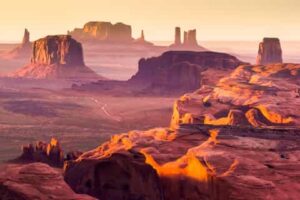
모뉴먼트 밸리(Monument Valley)는 애리조나-유타 국경을 따라 자리잡고 있으며 미국 남서부에서 가장 잘 알려진 지형을 포함하고 있습니다.. Mitten Buttes와 Merrick Butte의 풍경은 사진과 영화에서 친숙합니다., 하지만 풍경의 규모는 직접 보기 전까지는 가늠하기 어렵습니다.
방문객들은 모뉴먼트 밸리 방문객 센터에서 시작할 수 있습니다., 탁 트인 전망만으로도 멈출 가치가 있는 곳. 현재 상황에 따라, 여행자는 공원의 경치 좋은 루프에 접근할 수도 있습니다..
나바호 가이드 투어를 통해 더 많은 경험을 할 수 있습니다. 가이드는 셀프 가이드 방문객에게 개방되지 않은 장소에 대한 접근을 제공하고 지역 역사와 문화적 맥락을 풍경에 추가할 수 있습니다..
루프는 비포장 사막 도로입니다., 그리고 조건은 바뀔 수 있어요. 운전하기 전에, 현재 공원 안내를 확인하고 귀하의 차량이 적합한지 판단하세요. 거친 도로 상황을 피하고 싶거나 더 깊은 경험을 원한다면 공인 모뉴먼트 밸리 여행사에 예약하세요..
3. 포 코너스 기념물 나바호 부족 공원
포코너스 기념비에서, 방문객들은 애리조나의 만남의 장소에 설 수 있습니다, 뉴 멕시코, 유타와 콜로라도. 미국에서 4개의 주 경계가 한 지점에서 교차하는 유일한 위치입니다..
이 기념비는 인기 있는 도로 여행 사진입니다., 하지만 그것을 마커에 지나지 않는 것으로 취급하는 것은 경험의 일부를 놓치는 것을 의미합니다.. 기념물 주변의 나바호 상인들은 수제 보석을 판매합니다., 예술품 및 기타 상품, 그리고 전통 음식도 먹을 수 있어요.
둘러보는 시간을 가져보세요, 관심을 끄는 것이 있으면 공급업체와 정중하게 대화하고 아티스트로부터 직접 구매하세요.. 그 간단한 선택은 짧은 지리적 방문을 지역의 사람들과 창의성과의 보다 개인적인 관계로 바꿀 수 있습니다..
포코너스는 멀리 떨어져 있어요, 영업시간은 연중 내내 변경됩니다. 나바호 네이션의 주요 공휴일에도 문을 닫습니다.. 운전을 시작하기 전에 운영 시간을 확인하세요., 그리고 물 가지고 도착, 서두르지 않을 만큼 연료와 충분한 시간.
4. 리틀 콜로라도 강 나바호 부족 공원
리틀 콜로라도 강 협곡(Little Colorado River Gorge)은 여행자가 그랜드 캐니언에 집중할 때 간과하기 쉬운 곳입니다.. 그건 실수겠지.
이상 스트레칭 50 마일 및 최대 수심에 도달 3,000 피트, 협곡은 붉은 층을 제공합니다, 리틀 콜로라도 강 위의 주황색과 크림색 바위. 카메론 근처의 지정된 전망대는 협곡에 대한 극적인 전망을 제공하며 이 지역에서 가장 많이 방문하는 전망대보다 더 조용한 경험을 제공합니다..
협곡은 특히 페이지와 그랜드 캐년의 동쪽 입구 사이를 오가는 여행자에게 좋은 장소입니다.. 하지만 단순히 그랜드 캐년 국립공원의 확장이 아닌 나바호 고유의 풍경으로 경험해야 합니다..
설치된 주차 공간과 전망 공간을 이용하세요., 장벽 뒤에 머물고 지정된 경로를 유지하십시오.. 협곡 가장자리는 위험할 수 있습니다, 전망대 주변의 취약한 토양을 보호하는 것은 책임감 있는 여행의 일부입니다..
5. Canyon de Chelly 근처의 Tséyi' Diné 문화유산 지역
Canyon de Chelly 근처의 Tséyi' Diné Heritage Area는 나바호 국가 내에서 속도를 늦추고 더 많은 시간을 보낼 수 있는 또 다른 기회를 제공합니다.. 미루나무 캠프장은 지역을 탐험하기 위한 편리한 기반을 제공할 수 있습니다., 현재 가용성 및 운영 조건에 따라 달라질 수 있습니다..
캐니언 드 셰이(Canyon de Chelly)는 단순히 고고학적이거나 경치가 아름다운 곳이 아니기 때문에 특히 중요합니다.. 나바호족 가족은 협곡 내에서 계속 거주하고 일합니다.. 이러한 살아있는 연결을 통해 방문객은 접근 요구 사항을 준수하고 풍경을 버려진 유적지로 취급하지 않는 것이 필수적입니다..
공공 전망대는 림에서 전망을 제공합니다., 다른 지역에 접근하려면 공인 가이드와 해당 허가가 필요할 수 있습니다.. 오래된 일정이나 여행 게시물에 의존하기보다는 고려 중인 특정 활동에 대한 현재 요구 사항을 확인하세요..
나바호 국가 도로 여행 계획하기
나바호 네이션 로드트립 보상 준비. 거리가 상당할 수 있음, 셀 서비스는 일관성이 없을 수 있으며 커뮤니티 간에 서비스가 제한될 수 있습니다..
떠나기 전, 다음을 고려하십시오:
- 주차 시간 확인, 수수료, 나바호 국립 공원 및 레크리에이션을 통한 휴일 폐쇄 및 허가 요건.
- 가이드 투어를 미리 예약하세요, 특히 앤텔로프 캐니언의 경우.
- 서비스가 제한된 지역에 들어가기 전에 지도 및 예약 세부정보를 다운로드하세요..
- 연료 탱크를 빈 상태로 편안하게 유지하세요.
- 물과 날씨에 적합한 옷을 준비하세요.
- 매일 도로 상황과 기상 상황을 확인하세요.
- 안전을 위해 공원이나 투어가 폐쇄되는 경우 일정을 유연하게 조정하세요..
- 연방 공원 패스에는 나바호 부족 공원 입장이 포함되지 않을 수 있습니다..
가장 중요한 것은, 모든 목적지를 가능한 가장 짧은 여행 일정으로 짜내려고 하지 마세요.. 이 장소들은 차로 돌아가기 전에 서둘러 사진을 찍는 것 이상의 가치가 있습니다..
존중하는 마음으로 여행하세요
나바호 네이션 전역, 방문객은 지정된 경로에 머물러야 합니다., 폐쇄를 존중하고 자연적 또는 문화적 물건을 발견한 곳에 두십시오.. 기념물이나 신성한 구조물에 올라가지 마세요.. 인물 사진을 찍기 전에 허락을 구하세요, 나바호 예술가들의 작품을 풍경으로 취급하기보다는 그들로부터 구매합니다..
공원 규칙은 여행자와 명소 사이에 불편을 끼치는 것이 아닙니다.. 이는 나바호 네이션(Navajo Nation)이 토지를 보호하는 방법의 일부입니다., 지역 사회와 문화 자원.
어퍼 앤텔로프 캐니언을 출발점으로 삼으세요
어퍼 앤텔로프 캐년(Upper Antelope Canyon)은 여러분이 경험하는 유일한 나바호 여행지가 아닌 남서부 여행의 하이라이트가 될 수 있습니다.
협곡의 아름다움과 협곡과 관련된 사람들을 소개하는 가이드 투어로 시작하세요. 그런 다음 동일한 호기심과 존경심을 모뉴먼트 밸리로 가져가세요., 네거리, 리틀 콜로라도 강 협곡(Little Colorado River Gorge)과 Tséyi' Diné Heritage Area.
그 결과는 유명한 풍경을 모아 놓은 것 이상일 것입니다. 나바호족의 청지기직으로 연결된 독특한 풍경을 통과하는 여행이 될 것입니다., 역사와 생활문화.
Antelope Canyon Navajo Tours를 통해 Upper Antelope Canyon 체험을 예약하세요. https://navajotours.com/, 나머지 Navajo Nation 로드 트립 계획을 시작하세요. 여기.